-
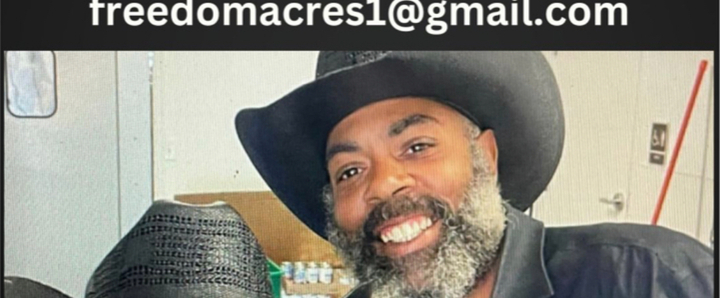 STOP THE TERROR AGAINST BLACK FARMERS IN COLORADO — INVESTIGATE EL PASO COUNTY SHERIFF NOWWhy This Matters — to Colorado and the NationCW and Nicole Mallery of Freedom Acres Ranch are not just farmers. They are not just landowners. They are not just another rural family trying to survive against the odds. CW and Nicole are United States Marine Corps veterans, community advocates, youth mentors, agricultural educators, food-access leaders, and land stewards who have dedicated their lives to feeding families across Colorado — from Yoder to Denver to Colorado Springs. They rebuilt their lives after losing everything in a hurricane, moved across the country, and planted roots in Colorado with nothing but hard work, resilience, and a belief that Farmers Save Lives. They stepped onto their land with a mission: To grow food. To teach youth. To heal soil. To create opportunity. To serve their community. And instead of honor or protection, they have faced years of reported harassment, intimidation, racial targeting, and violence. When farmers like the Mallerys — veterans, community builders, and providers — are targeted, the foundation of our food system is threatened. When their animals are harmed and their reports go unanswered, justice is not just delayed — it is denied. When restraining orders go unenforced and dangers go unchecked, public safety collapses. When those sworn to protect the community instead become the focus of civil rights concerns and allegations of misconduct, every resident becomes vulnerable. What CW and Nicole are enduring is happening on American soil — on land they legally own, land they farm, land they steward, land they sacrificed to build. And the nation has now seen it. Their story has been documented in national press, including the major exposé “Get Out: Black Colorado Ranchers Face Domestic Terrorism” by award-winning journalist Kaia Shivers. And their fight is now being broadcast to millions through Jordan Peele’s docuseries High Horse: The Black Cowboy, exposing to the world what has been happening behind closed doors in El Paso County. If this can happen to Black farmers in Colorado — Farmers who are veterans, who are documented, who have national visibility, who feed the state and teach its children — then it can happen to any Black farmer, anywhere in America. If this can happen in broad daylight — with evidence, witnesses, media coverage, and now a major docuseries — it raises the alarming truth: What happens to Black landowners when no cameras are rolling? This is why we must act. Because this is not just a Colorado issue. This is an agricultural issue. A land issue. A racial justice issue. A civil rights issue. A national issue. Protecting CW and Nicole Mallery is not just about safeguarding two farmers — it is about defending the future of Black land ownership, Black food sovereignty, and Black agricultural legacy in America. Silence is not an option. Inaction is not neutrality. This is our moment to stand up. What We Are DemandingWe call for immediate, sweeping action: 1. State and Federal Oversight: A full, independent investigation into the El Paso County Sheriff’s Office. 2. Thorough Investigation Into All Harmed or Stolen Animals: Dogs. Cows. Livestock. Working animals. Every case deserves justice. 3. Protection for CW & Nicole Mallery and All Farmers Facing Threats: Farmers should not fear violence, retaliation, or the sheriff’s department. 4. Enforcement of Restraining Orders: Violators must be held accountable — not protected. 5. Review of Racial Bias and Discriminatory Policing Practices: Black farmers deserve equal protection under the law. 6. Independent Civilian Oversight: The sheriff’s office cannot investigate itself. Farmers Deserve Safety. Farmers Deserve Peace. Farmers Deserve Justice.CW and Nicole’s animals — their dogs, cows, and livestock who protect their ranch — deserve to live safely, without being poisoned, stolen, or run over with impunity. This is not just about agriculture. This is about civil rights, land rights, and basic human rights. We Need Your VoiceYour signature is not just a name. It is a stand against abuse. A stand against racism. A stand for justice. A stand for CW & Nicole Mallery, Freedom Acres Ranch, their animals, and their right to farm and live in peace. Silence empowers oppression. Community action stops it. Sign today. Share widely. Help bring national attention and federal accountability to a crisis that has gone unchecked for far too long. Protect CW & Nicole Mallery. Protect Freedom Acres Ranch. Protect Black farmers. Protect the animals who protect them. Protect the land that sustains us all.525 of 600 SignaturesCreated by CW Mallery
 -
 No New Jail Erie County Campaign: Reject Jail Expansion in AldenThis $470 million proposal, which would be the largest capital project ever funded by the county, will not support a thriving Western New York nor improve the lives of its residents. We have four main concerns, detailed in our full letter: • CONCERN 1: DEPARTMENT CULTURE & COUNTY CULTURE: Under at least two different sheriffs, the sheriff’s department has had a rate of an incarcerated person dying from medical neglect or other human rights violations every 4-5 months. For comparison, Rikers Island has an average of about one death per month, despite an average daily population of over 10,000, so Erie County’s facilities are over twice as deadly as Rikers. A renovated incarceration facility won’t change the culture of repeated human rights violations, or address the multiple lawsuits against the sheriff’s office which are costing county taxpayers millions of dollars in settlements. In fact, shifting operations to Alden, away from community scrutiny, is likely to strengthen the culture of impunity. • CONCERN 2: DISTANCE: Moving jail operations to Alden would further isolate anyone in the facility, both staff and those incarcerated. Former Erie County Legislator April Baskin stated “[moving to Alden] will make it much harder for detainees to maintain contact with their family by significantly increasing the distance between their neighborhoods and where they are being detained.” People will be further from their homes and families (their support systems), emergency medical services, and legal representation. The distance will discourage medical professionals from applying to jail jobs, where there is already a 25% vacancy rate. Moving jail operations to Alden will also increase transportation costs because it would be irresponsible to simply release people in a remote community where they are not from. The sheriff has previously stated transportation is a recurring issue for getting people to and from court. Since only 47% of individuals are incarcerated for longer than a week in county facilities, costs for distal transportation, including vehicle maintenance and depreciation, are fiscally illogical. Although the Sheriff’s office has offered to partner with NFTA to make Alden more accessible, a similar program has already been abandoned once, and there are no assurances that, if revived, it would not be abandoned again. A genuine commitment to providing reliable transportation to those in the Alden facility would’ve resulted in this program already being restarted without the new construction proposal. In any event, an inaccessible facility with an unreliable bus is no substitute for an accessible facility. • CONCERN 3: FISCAL RESPONSIBILITY & BREAKING THE REVOLVING DOOR OF IMPRISONMENT: The sheriff’s office stated in 2024 that about 60% of county [detainees] are treated for some type of mental illness, which is above the national average; moreover, Michael Phillips, the superintendent for jail management, admitted that “Jails weren’t meant to be mental health providers.” This suggests that the relatively well-funded sheriff’s department is expensively and ineffectively attempting to fill gaps created by the underfunding of other county services. Due to federal budget cuts, Erie County already faces increased spending in many sectors. Incarcerating a person is almost double the cost of providing needed housing or healthcare services Moreover, multiple studies demonstrate that communities with ample housing and healthcare resources experience less crime, and also that incarcerating someone without addressing the root reasons that they committed a crime merely creates a revolving door of repeated incarceration. According to April Baskin in 2020, “Multiple studies show that a detainee who maintains regular contact with family and friends is less likely to be a repeat offender”. Therefore, budgetary decisions should focus on keeping people in the community and on addressing root causes of crime. The county should be prioritizing investment in mental health services provided by appropriately trained medical professionals, who are adequately compensated for their expertise, and should be focusing on increasing beds in mental health facilities and substance use disorder facilities instead of on increasing jail beds. The county should also support and invest in alternatives to incarceration such as the Community Responder Model, the Treatment Court Expansion Act and the additional alternatives listed in the feasibility study. The Sheriff has repeatedly requested more beds at ECMC for people in crisis. Jail is no place for people who are detoxing (such as Sean Riordan), people with serious mental illness (such as William Hager), and people with severe chronic health conditions (such as James Ellis). It makes far more sense to expand capacity in existing healthcare facilities for these services than to build new jail beds. Were Sean Riordan, William Hager, and James Ellis placed in health care beds instead of jailed, they would most likely be alive today, and the county would not be facing multi-million dollar lawsuits for their preventable deaths. Investing even more county money into 156 new jail beds specifically for detox, acute and sub-acute mental health needs, and chronic health conditions is a playbook for ensuring additional lawsuits for years to come. • CONCERN 4: LACK OF BUDGETARY TRANSPARENCY: The proposal does not include the project’s full cost. The feasibility study was commissioned by architecture firms but it omits demolition costs at either facility that would be vital for making an informed decision. It also does not discuss the expenses and complications that would be involved in demolishing ECHC, which (due to proximity to other buildings, city contracts, etc.) are likely greater than that of Alden. A similar plan to close ECHC already failed to demonstrate budgetary savings in 2020. Further, a commitment to Alden entails a permanent commitment to increased travel costs for, at best, one-time savings. Lastly, one of the noted “benefits” in the feasibility study of choosing Alden was that the facility has “ample room for facility expansion, if bail reforms are terminated and there is a necessity to increase bed space capacity in the future.” Which implies even greater spending as well as a lack of support for a law that has already reduced the jail population.14 of 100 SignaturesCreated by Shontay Barnes
 -
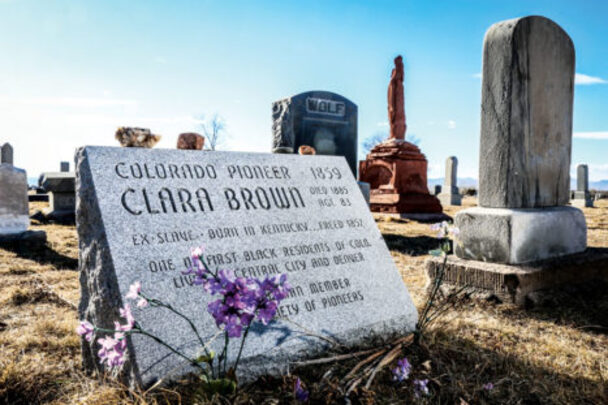 Petition for the Clara Brown, Jeremiah Lee, and Lorenzo Bowman MonumentWhy should others join us in this campaign? Because honoring Clara Brown, Jeremiah Lee, and Lorenzo Bowman is not only about restoring a monument, it is about restoring truth, dignity, and justice to the story of Colorado. These three pioneers embody the resilience and vision that helped build our state, yet their contributions have been systematically overlooked, minimized, or erased. Clara Brown, once enslaved, became Colorado’s first Black woman pioneer, a business owner, and a community leader who reunited families torn apart by slavery. Jeremiah Lee, a veteran of the Mexican-American War and a successful prospector, built one of the first brick homes in Central City and fought for education for Black children. Lorenzo Bowman, a skilled smelter and entrepreneur, co-founded vital mining operations that powered the economy, only to lose his life under suspicious circumstances that reflect the racial violence of his time. When their names are left out of the narrative, when their monuments are removed, we are left with a distorted history that elevates the powerful few while silencing the voices of those who sacrificed the most. By joining this campaign, you are standing for more than a plaque or statue, you are standing for truth in public memory, for inclusivity in the stories we tell, and for the next generation who deserve to see themselves reflected in the legacy of this state. This campaign is a call to action: to tell Colorado’s full story, to honor the ancestors who paved the way, and to ensure that justice is not only spoken but inscribed into our public spaces. Together, we can make sure that Clara Brown, Jeremiah Lee, and Lorenzo Bowman are remembered not as footnotes, but as foundational figures in the history of Colorado.311 of 400 SignaturesCreated by Jeffrey Campbell
-
 Break the CycleBullying doesn’t just hurt one person. It creates a chain reaction. When someone is hurt, they can sometimes pass that hurt to someone else, and the cycle keeps going. But what if we stopped it? What if we were the generation that said, “No more”? I can’t do that alone. I need people who are brave enough to care, bold enough to speak up, and kind enough to act. This campaign is about more than just saying “don’t bully” it’s about learning how to heal from our own pain so we don’t pass it on. It’s about teaching others that kindness is not weakness, and that standing up for what’s right is something to be proud of. When you join Break the Cycle, you become part of a team that: • Speaks up when they see bullying. • Supports people who are hurting, even if we don’t know them. • Encourages healing, not revenge. • Builds a community where everyone feels like they belong. This isn’t just my fight it’s everyone’s. If you’ve ever been bullied, if you’ve ever seen someone else being bullied, or even if you’ve ever felt tempted to be mean because you were hurting, then you have a reason to join. Together, we can change the culture in our schools, in our neighborhoods, and even online. We can make kindness the norm, not the exception. We can make it so every kid feels safe, accepted, and valued for who they are. It only takes one voice to start a movement, but it takes many voices to change the world. Will you add yours to mine?26 of 100 SignaturesCreated by Soleigh Vanderburg
 -
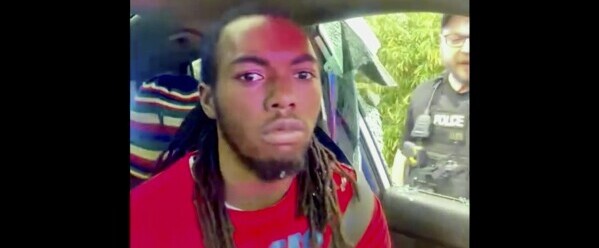 Justice for William McNeil Jr!With so many issues with unchecked police violence being perpetuated by the Jacksonville Sheriff's Office, the violence that occured to William McNeil Jr is all to familiar. The State Attorney, Sheriff and Mayor all must answer for the violence of JSO officers whose brutality is funding with our tax dollars without any oversight from the community. It's time to take a stand today for WIlliam McNeil Jr, Charles Faggart, Justin Knight and so many countless other victims of police brutality in Jacksonville.1,204 of 2,000 SignaturesCreated by Jacksonville Community Action Committee
 -
 Demand SDHC & Nonprofits End Corporate Landlord Profiteering—Deliver on Promised SupportExpanded Analysis: SDHC, Nonprofits, and Corporate Capture of the Justice System1. SDHC and Partner Nonprofits as Corporate Landlords Over the last decade, the San Diego Housing Commission (SDHC) and a web of affiliated nonprofits have pivoted from traditional affordable‐housing advocates into large‐scale property owners. By securing Housing Authority and HUD grants, they’ve assumed full control over development, leasing, and resident services—often presenting themselves as turnkey experts in property management and case coordination. 2. The Service Delivery Gap Yet beneath the polished branding lies a stark reality: • Waiting lists stretch for months or years, leaving families in unstable or overcrowded conditions. • Promised wraparound services—job training, mental‐health counseling, legal aid—are sporadic or nonexistent. • Staffing models favor grant writers and compliance officers over licensed property managers and credentialed social workers. This mismatch between marketing and action undermines the very goals of affordable‐housing funding. 3. Root Causes of Organizational Misalignment 1. Funding‐First Mindset • Incentive structures reward billions in secured grants rather than tangible resident outcomes. 2. Underqualified Staffing • Case managers without licensure attempt to navigate landlord‐tenant law, generating legal missteps and eviction pitfalls. 3. Weak Accountability • Audits focus on financials, not resident well‐being metrics like housing stability, income growth, or school attendance. 4. Corporate Influence Over the Justice System Beyond service failures, a more insidious trend has emerged: corporate landlords leveraging financial ties to shape eviction outcomes. 4.1 Campaign Contributions & Judicial Foundations • Major developers and nonprofit boards funnel political donations through PACs to judicial candidates. • Charitable gifts to court‐affiliated foundations create goodwill that can sway discretionary decisions. 4.2 Lobbying & the Revolving Door • Law firms representing SDHC and partner nonprofits recruit former judges as “of counsel,” reinforcing cozy relationships. • Judges eyeing post‐bench careers may hesitate to rule against these well‐connected entities. 4.3 Fast‐Tracked Eviction Dockets • Specialized “eviction calendars” push cases through without thorough hearings. • Reliance on affidavit evidence—filed by corporate property managers—limits tenant defenses and discourages legal representation. 5. Impact on Vulnerable Families When housing agencies morph into profit-driven landlords and courts bend under corporate pressure, the fallout is severe: • Forced Displacement: Families uprooted from schools, medical care, and support networks. • Psychological Trauma: Children and adults experience anxiety, depression, and a sense of injustice. • Erosion of Trust: Communities lose faith in both housing authorities and the judicial system meant to protect them. 6. Toward Genuine Accountability and Care To reverse these trends, SDHC, partner nonprofits, and the courts must realign with their public missions: • Recruit and empower licensed property managers, social workers, and tenant‐rights attorneys. • Institute transparent metrics tied to resident stability, not just unit occupancy. • Ban campaign contributions and foundation gifts from housing developers to judicial candidates. • Mandate comprehensive hearings—rather than affidavit‐driven dockets—for all eviction cases. • Form independent oversight panels with tenant, community, and legal advocates to audit both service delivery and court practices. By refusing to trade human well-being for funding optics and corporate profits—and by restoring judicial impartiality—San Diego’s housing programs can finally fulfill their promise: transforming empty houses into nurturing homes and ensuring every family the stability and dignity they deserve.8 of 100 SignaturesCreated by Zephonnetta Stephens
 -
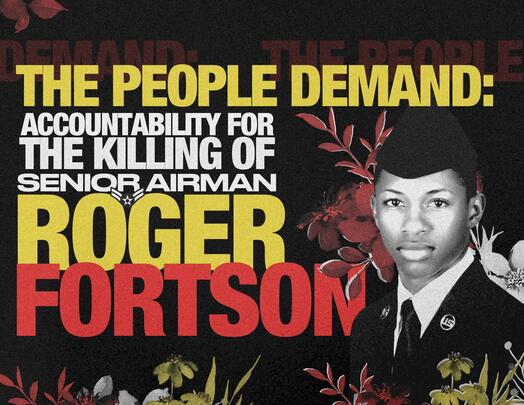 Accountability for the Murder of Senior Airman Roger FortsonRoger’s mother, Chantemekki Fortson, was contacted to travel from Georgia to Okaloosa County after the killing. En route, she was told Roger was in surgery. It wasn’t until she was escorted into a heavily guarded room that she was then informed that Roger had been killed. At this point, Roger’s body had already been transferred to a neighboring city for an autopsy. This was done without the consent of his mother or the United States Air Force. Additionally, Okaloosa County provided an invalid search warrant, signed by a judge, for Roger’s possessions addressed to a completely incorrect name, “Jameica Fortson,” meant for Ms. Chantemekki Fortson. This was only the beginning of Okaloosa County’s negligence and the lack of care that should have been granted to Roger and his family. Adding to the lack of humanity afforded to Sr. Airman Roger Fortson, the initial public statement from the Okaloosa County Sheriff’s office, characterized the killing as an act of “self-defense.” Whereas the body cam footage and further investigation found that Sr. Airman Roger Fortson posed no threat to Deputy Eddie Duran. After more investigation, Aden is quoted saying, “The objective facts do not support the use of deadly force as an appropriate response to Mr. Fortson’s actions.” Initial information provided to the public regarding cases such as this should be carefully considered before it is released to prevent false narratives from spreading. We demand full accountability and the recall of Sheriff Eric Aden from the Okaloosa County office. We fear that direction such as his can lead to more false and dangerous narratives of a marginalized community that may lead to more violence. What these actions under Eric Aden have shown us is that there is a lack of professionalism and respect in regards to human life under his leadership.982 of 1,000 SignaturesCreated by Jasmine Brown
 -
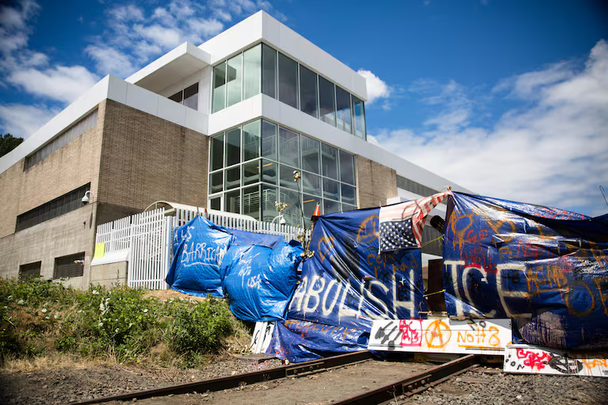 Revoke the Permit for the ICE Detention Facility in PortlandPlease sign this petition to state your opposition to the ICE Detention Center in Portland, Oregon. By signing, you let the City Council and mayor know that you do not approve of the permission they granted for ICE to operate within city limits. Your signature will add your support to our collective demand to revoke the permit for ICE to operate within city limits, and require the closure of the ICE Detention Center in Portland, Oregon. This is important because the operation of this center violates the targeted people's human rights. People who are picked up by ICE are taken to this transport facility, and then trafficked across state lines without information regarding where they are going or how long. Meanwhile, profits are made by private individuals at every step. Together, we can take a stand against these human rights violations and end the operation of ICE in Portland, Oregon.19,175 of 20,000 SignaturesCreated by Susan Anglada Bartley
 -
 Release the full footage of Rayvon Shahid murder Release the officers namesThis young man has joined the likes of Tamir Rice, Walter Scott, and Sonya Massey. This young man has been deceased for 13 days, and the family is suffering with the lack of knowledge of what happened to their son. They don't know who to talk to or who to trust. The City of Flint is on high alert of the Michigan State police feeling they can be unfairly targeted. There is no proof of if these child murderous officers are really laid off because we don't know how they look or their true identity. These officers are being protected while the family and community are feeling left unprotected. Their reputation/character is being upheld while Rayvon Shahid reputation/character is being questioned. By all accounts this child was shot and killed while running away. This is causing quite a stir in the city, and all of this could be settled with a release of the bodycams and names of the officers involved. In addition to signing this petition please also flood the Attorney General's office with phone calls, letters and emails with our demands daily! Department of Attorney General Dana Nessel Attorney General Mailing Address Lansing Office: G. Mennen Williams Building 525 W. Ottawa Street P.O. Box 30212 Lansing, MI 48909 Detroit Office: Cadillac Place, 10th Floor 3030 W. Grand Boulevard, Suite 10-200 Detroit, MI 48202 Phone: 313-456-0240 Fax: 313-456-0243 Contact Information Hours: Monday - Friday, 8:00 AM - 5:00 PM ET Phone: 517-335-7622 Fax: 517-335-7644 Email: [email protected] https://www.michigan.gov/ag/ag-contact-directory1,213 of 2,000 SignaturesCreated by BLM GRASSROOTS FLINT
 -
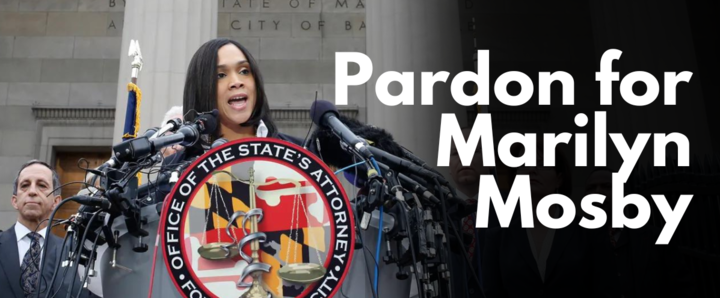.png) Pardon for Attorney Marilyn MosbyWHY ARE THEY TARGETING ATTORNEY MOSBY? Leo Wise began targeting Attorney Mosby under the Trump Administration. This is no coincidence. Wise was known for profiling and targeting Black elected officials since he worked on Capitol Hill where he hyper-focused on cases involving Congressional Black Caucus members from 2008 to 2010. As a federal prosecutor In 2019, Wise prosecuted police officers involved in corruption with the Gun Trace Task Force, but he failed to address the impact of the wrongdoing of the officers. Without pause, Mosby addressed what Wise neglected by identifying more than 2,000 cases involving the officers' malpractice, leading to a thorough review of the verdict within each case. After a very public disagreement that included Steve Schenning at DOJ, Attorney Mosby became a target of Wise who already donated to her political opponents while he was employed with the Department of Justice! This clearly demonstrates his evident bias, animus, and disapproval of Mosby, highlighting a case of malicious prosecution alongside his boss, Schenning and the US Attorney in Maryland at the time, Richard Hur. In July 2020, Mosby boldly confronted former President Trump's threat to deploy federal agents to Baltimore following the murder of George Floyd. In an op-ed, Mosby vowed to prosecute any federal agents who engaged in unlawful actions against Baltimore citizens. Two months later, Attorney Mosby learned she was under federal investigation, a move widely perceived as retaliation for her courageous stance in protecting her constituents’ constitutional rights. Former Governor and now Senate candidate, Larry Hogan even gave money from the state to DOJ to prosecute “fraud related crimes” after public disagreement with Attorney Mosby where she called out his racist antics. We demand a FULL Presidential Pardon for Attorney Mosby pursuant to Article II, Section 2 of the United States Constitution, which gives the authority of the pardon to the President. While the Biden Administration has used the power of the pardon in a rare 13 occasions, it is time for the President to right the wrongs of Trump’s Department of (in)Justice! President Nixon was pardoned by President Ford after actually engaging in wrongdoing. President Clinton pardoned his own brother. This Administration and the Obama Administration pardoned individuals who Attorney Mosby fought for in policymaking and in the courtroom. It is OUR TURN to pursue justice for Attorney Mosby because, #JusticeforMarilynMosby, is justice for ALL of us.98,187 of 100,000 SignaturesCreated by Native Land Pod
Pardon for Attorney Marilyn MosbyWHY ARE THEY TARGETING ATTORNEY MOSBY? Leo Wise began targeting Attorney Mosby under the Trump Administration. This is no coincidence. Wise was known for profiling and targeting Black elected officials since he worked on Capitol Hill where he hyper-focused on cases involving Congressional Black Caucus members from 2008 to 2010. As a federal prosecutor In 2019, Wise prosecuted police officers involved in corruption with the Gun Trace Task Force, but he failed to address the impact of the wrongdoing of the officers. Without pause, Mosby addressed what Wise neglected by identifying more than 2,000 cases involving the officers' malpractice, leading to a thorough review of the verdict within each case. After a very public disagreement that included Steve Schenning at DOJ, Attorney Mosby became a target of Wise who already donated to her political opponents while he was employed with the Department of Justice! This clearly demonstrates his evident bias, animus, and disapproval of Mosby, highlighting a case of malicious prosecution alongside his boss, Schenning and the US Attorney in Maryland at the time, Richard Hur. In July 2020, Mosby boldly confronted former President Trump's threat to deploy federal agents to Baltimore following the murder of George Floyd. In an op-ed, Mosby vowed to prosecute any federal agents who engaged in unlawful actions against Baltimore citizens. Two months later, Attorney Mosby learned she was under federal investigation, a move widely perceived as retaliation for her courageous stance in protecting her constituents’ constitutional rights. Former Governor and now Senate candidate, Larry Hogan even gave money from the state to DOJ to prosecute “fraud related crimes” after public disagreement with Attorney Mosby where she called out his racist antics. We demand a FULL Presidential Pardon for Attorney Mosby pursuant to Article II, Section 2 of the United States Constitution, which gives the authority of the pardon to the President. While the Biden Administration has used the power of the pardon in a rare 13 occasions, it is time for the President to right the wrongs of Trump’s Department of (in)Justice! President Nixon was pardoned by President Ford after actually engaging in wrongdoing. President Clinton pardoned his own brother. This Administration and the Obama Administration pardoned individuals who Attorney Mosby fought for in policymaking and in the courtroom. It is OUR TURN to pursue justice for Attorney Mosby because, #JusticeforMarilynMosby, is justice for ALL of us.98,187 of 100,000 SignaturesCreated by Native Land Pod -
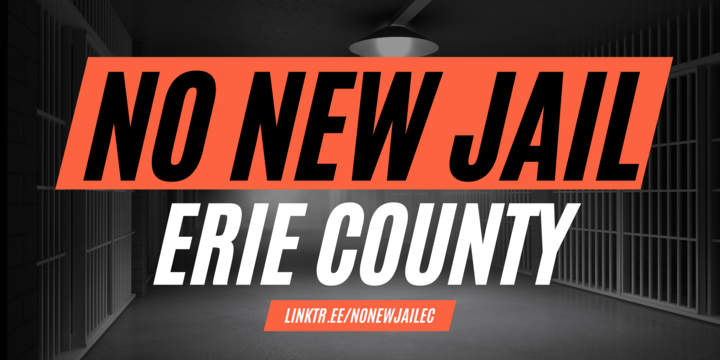.png) No New Erie County JailThis proposed mega jail represents a misplaced allocation of funds and fails to address our communities' pressing needs. Instead of investing in a new correctional facility, we advocate for redirecting public funds to address the root causes of crime, including poverty, housing insecurity, and a lack of mental and behavioral health services. By allocating resources to community programs and social services, we can make significant strides toward achieving genuine community safety.1,777 of 2,000 SignaturesCreated by Phylicia Brown
No New Erie County JailThis proposed mega jail represents a misplaced allocation of funds and fails to address our communities' pressing needs. Instead of investing in a new correctional facility, we advocate for redirecting public funds to address the root causes of crime, including poverty, housing insecurity, and a lack of mental and behavioral health services. By allocating resources to community programs and social services, we can make significant strides toward achieving genuine community safety.1,777 of 2,000 SignaturesCreated by Phylicia Brown -
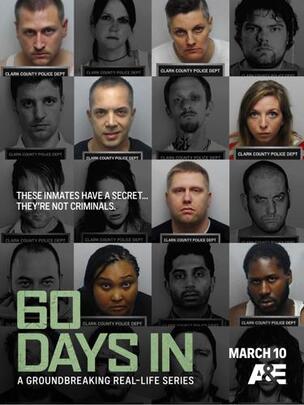 #AIRS Campaign: Abolishing A&E's "60 Days In" Show- Cultural Industry Emergence: The convergence of the prison-industrial complex and neoliberalism gave rise to the prison as a cultural industry. During the 1980s, state and private sector partnerships capitalized on draconian penal policies, leading to a proliferation of prisons and prison culture. - Entertainment Trends: Since the early 2000s, U.S. television has embraced incarceration as a theme for nonfiction entertainment. Programs like "60 Days In" leverage the enclosed spaces and disciplinary tactics of real-life prisons for dramatic storytelling. - Television Programming Landscape: Various reality-based law enforcement programs preceded the surge of prison-themed entertainment. Shows like "COPS" paved the way for a multitude of programs focused on incarceration, showcasing aspects of prison life to audiences. - The Premise of "60 Days In": The series introduces volunteers who undergo undercover imprisonment to gather intelligence on "crime and corruption" within the institution. Each season features a diverse cast, including activists, skeptics, and aspiring law enforcement professionals. - Incarceration as Entertainment: "60 Days In" transforms the harsh realities of prison life into captivating entertainment. While viewers are promised a glimpse into the stark realities of incarceration, the series also highlights the normalization of prison as a cultural phenomenon. - Prison Labor Exploitation: Incarcerated individuals serve as both setting and cast members for television productions, contributing to the profitability of the prison-industrial complex. Their unpaid labor generates value for both the prison and media companies. - Partnerships and Profit: TV production companies collaborate with penal institutions, benefiting from subsidized filming locations and access to prison resources. Strategic partnerships, such as with tech companies, further monetize the prison as a site for cultural production. - Involvement of Prison Officials: Prison officials play active roles in crafting and marketing reality television programs. They contribute to storyline development, monitor filming activities, and engage in promotional efforts to enhance the series' visibility and brand value. - Social Media Integration: "60 Days In" extends its reach through social media platforms, encouraging audience participation and interaction. Viewers become part of the narrative, contributing to the circulation of common-sense knowledge about incarceration. - Micro-Celebrity and Entrepreneurialism: Participants and prison officials capitalize on their involvement in the show, seeking increased visibility and career opportunities. Their engagement with social and digital media platforms aligns with the entrepreneurial logic of carceral capitalism. - Mutually Beneficial Participation: The promise of reality television offers participants the chance to leverage their media exposure for personal gain. For some, participation serves as a stepping stone to careers in law enforcement or corrections, reinforcing the narrative of self-enterprise under neoliberalism.606 of 800 SignaturesCreated by #AIRS Campaign